Sweeping Kitale a Day Early
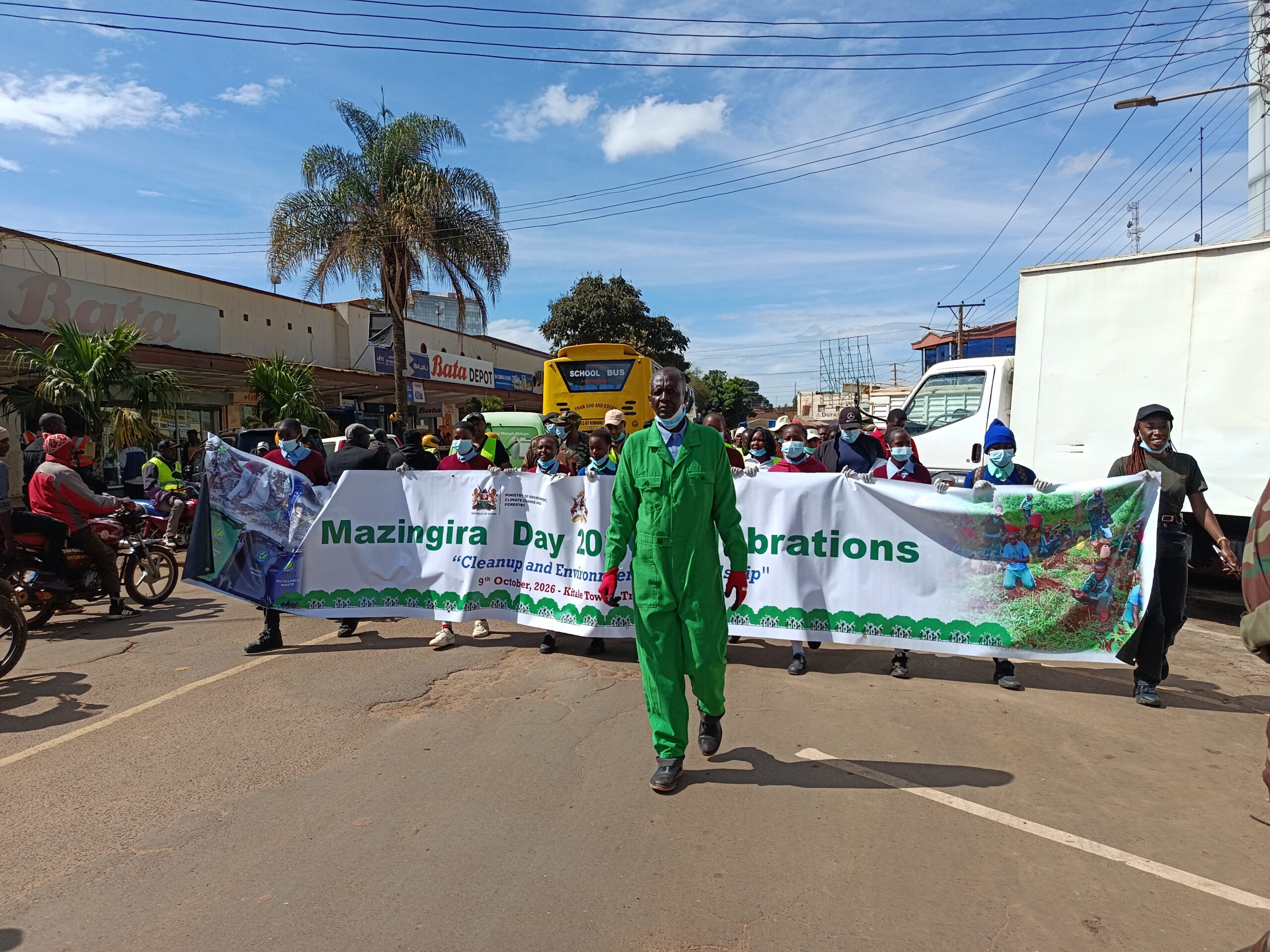
On 9 October I stood in the middle of Kitale Town in green overalls and red gloves, facing a crowd of people holding empty sacks. The next day was Mazingira Day, Kenya’s national environment day. We decided to mark it one day early by cleaning our own town.
My name is Muguro David Ngige, and I work with Dajopen Waste Management Solutions. My work is taking the waste a town throws away and turning it into something useful. I talk about this a lot. On this day I wanted people to do it with their hands.
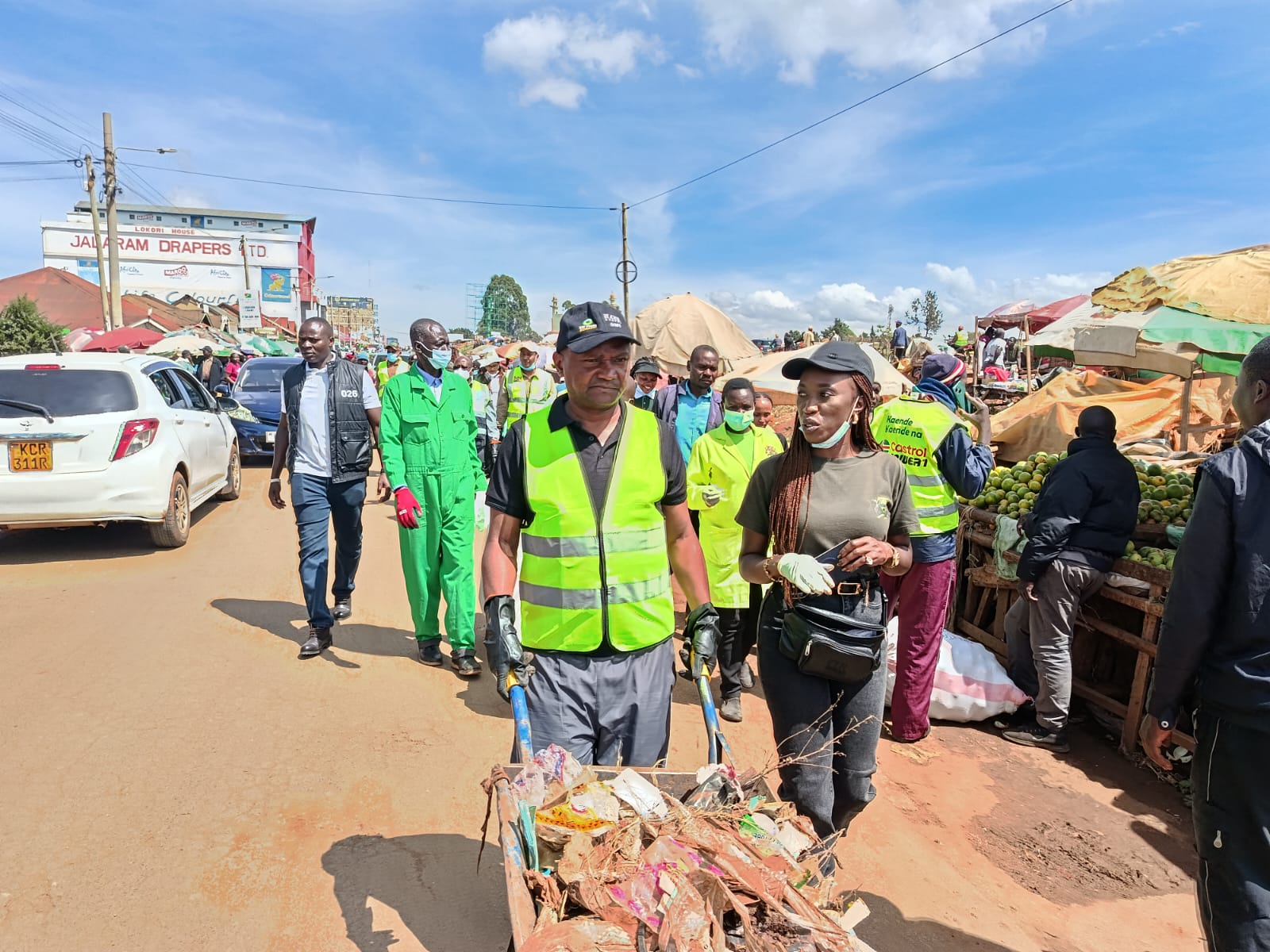
We started with a procession through town. I walked at the front, and the boy scouts and girl guides came behind me with the other volunteers.
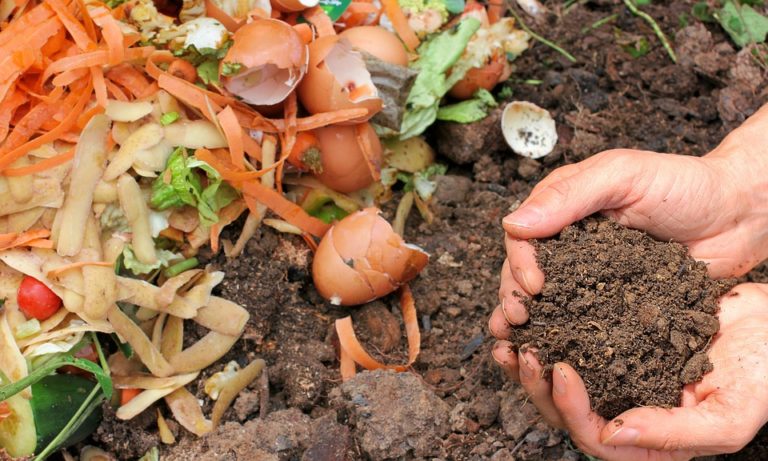
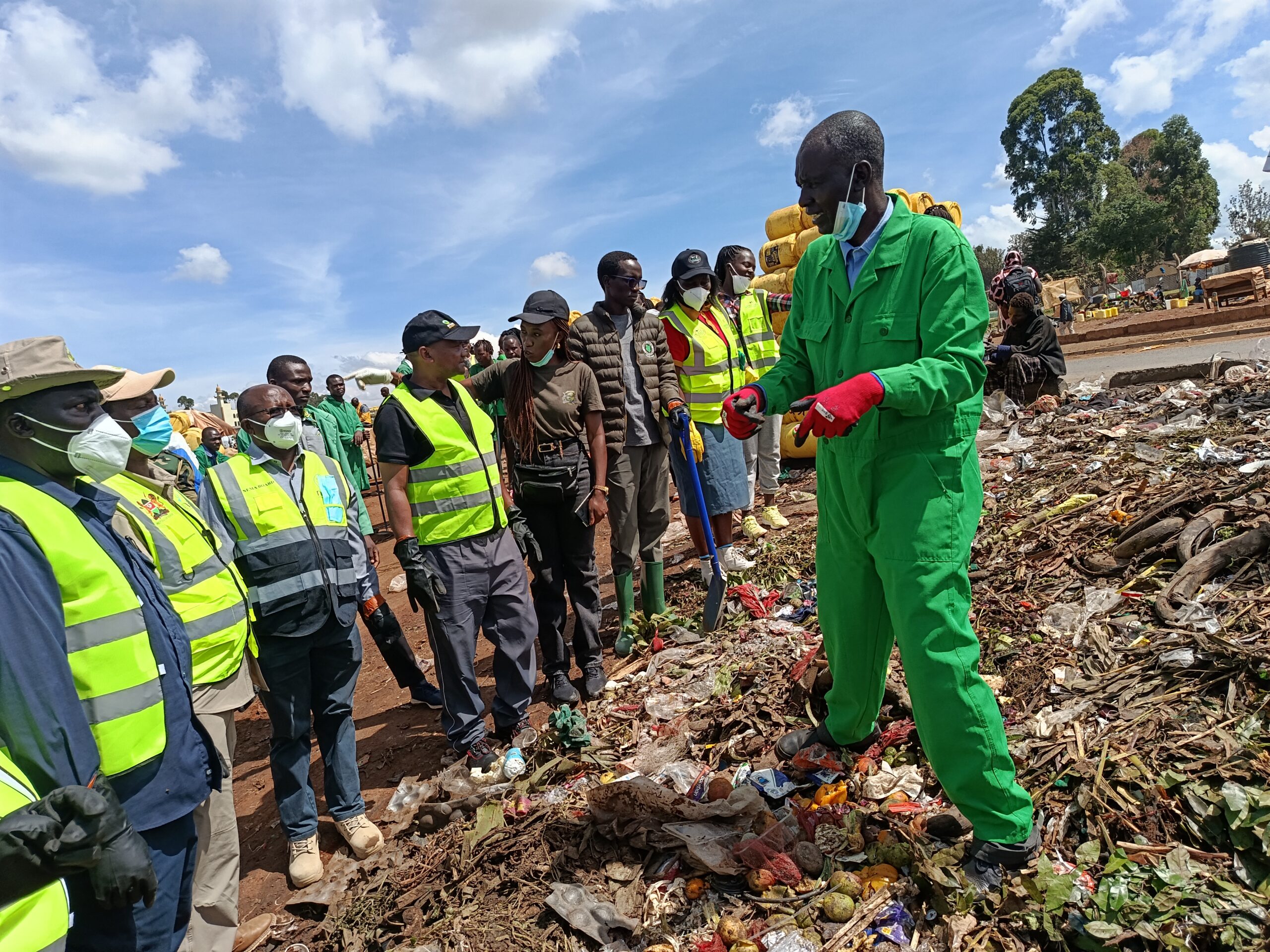
Before we picked up anything, I spoke to the group about what a clean environment does for a town. Then I gave them a short lesson on how to make a business from waste. Most of what a market throws away is food, like tomato skins and spoiled vegetables. In a dump it rots and smells. In a compost heap, with time, it becomes organic fertilizer, and fertilizer is something you can sell.
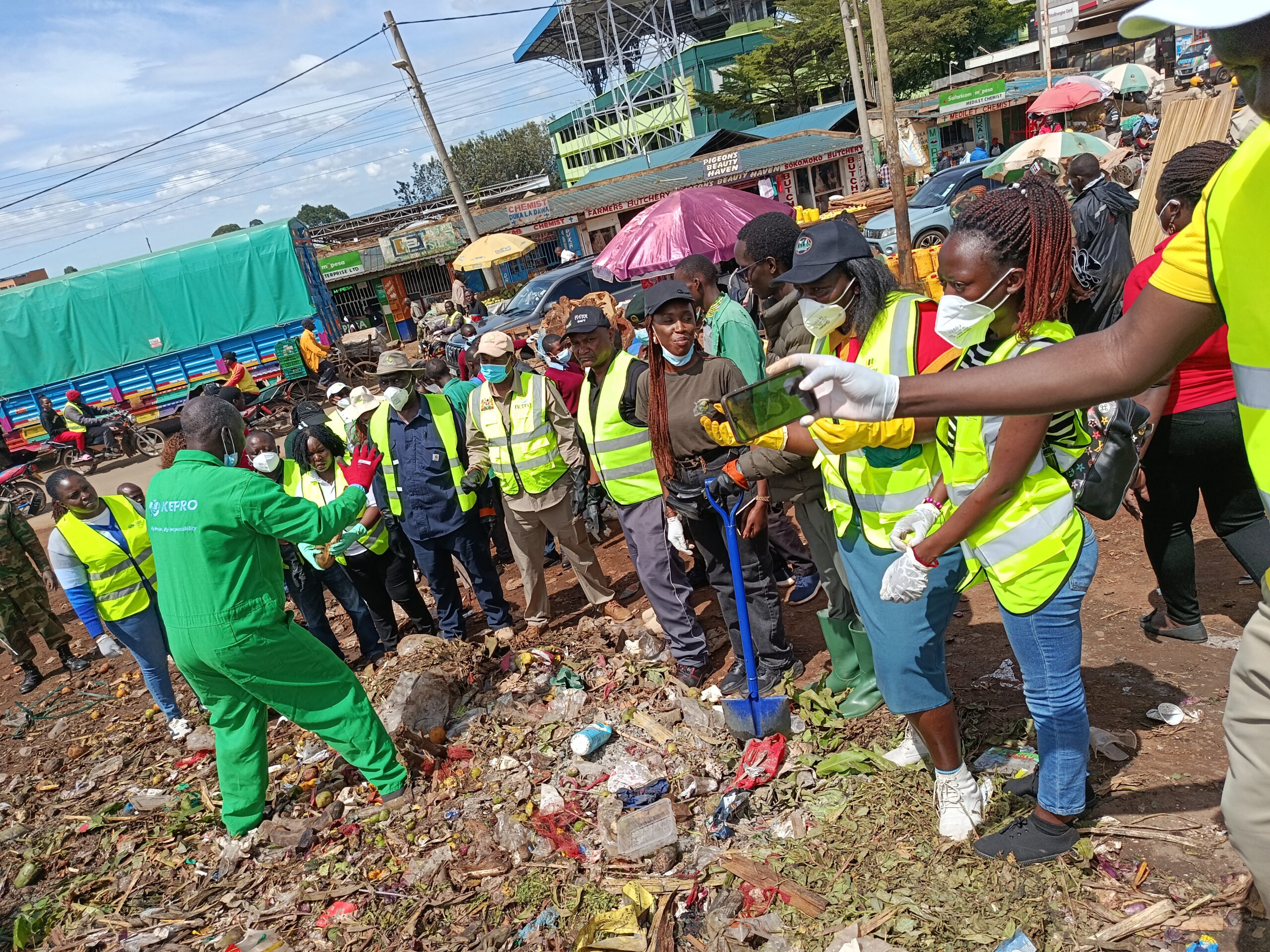
The officials carried bags too
Officials came from the County Government and from the National Government office in Nairobi. I showed them how we can recover inert waste from town, the material that will not rot, so it can be recycled into other products.
The Environment Secretary and her team did not stand at the side and watch. They carried bags of waste we had swept up from a tomato vendor’s place, and we talked while we worked.
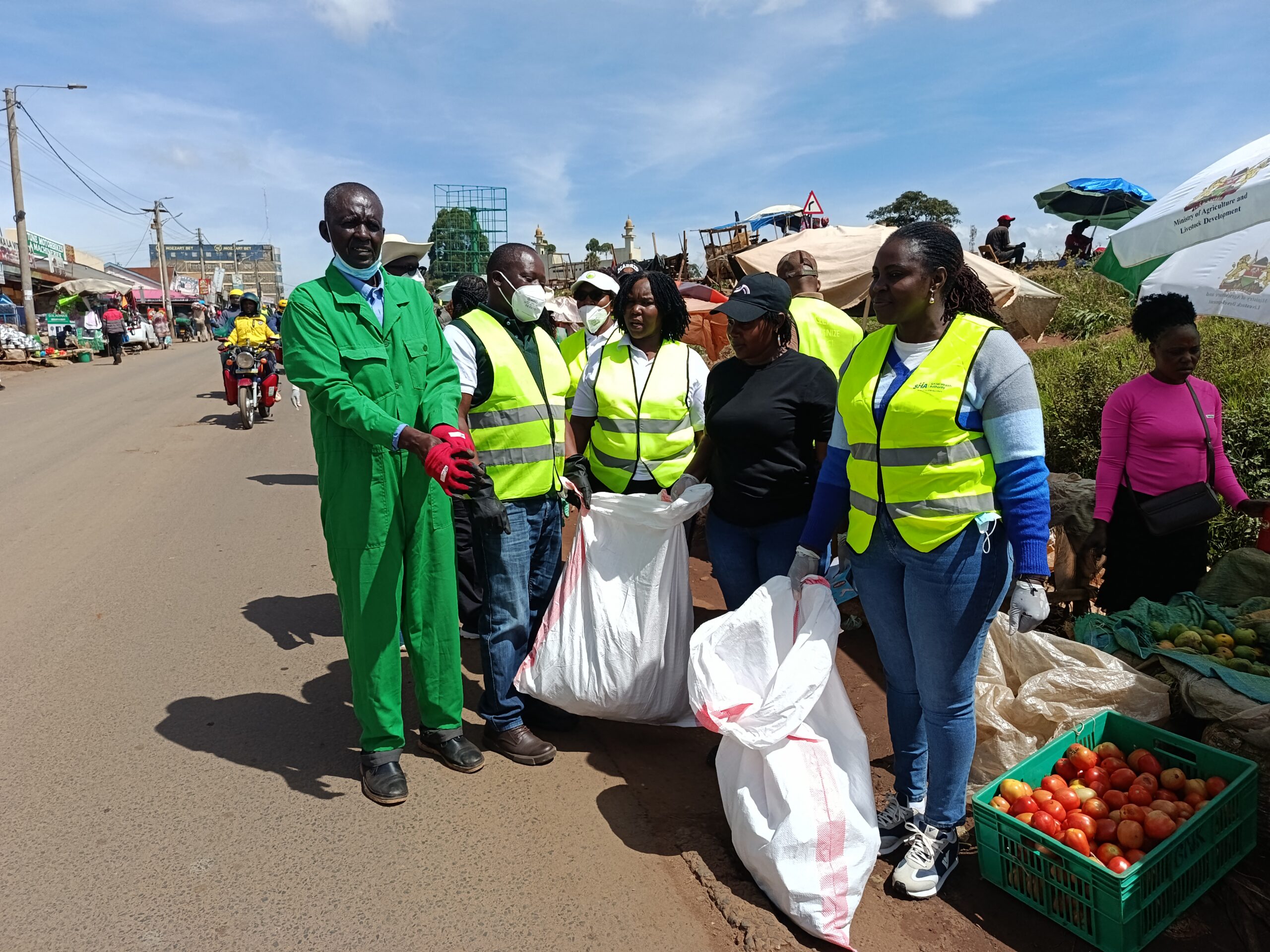
Raini Moja Street and the dumping grounds
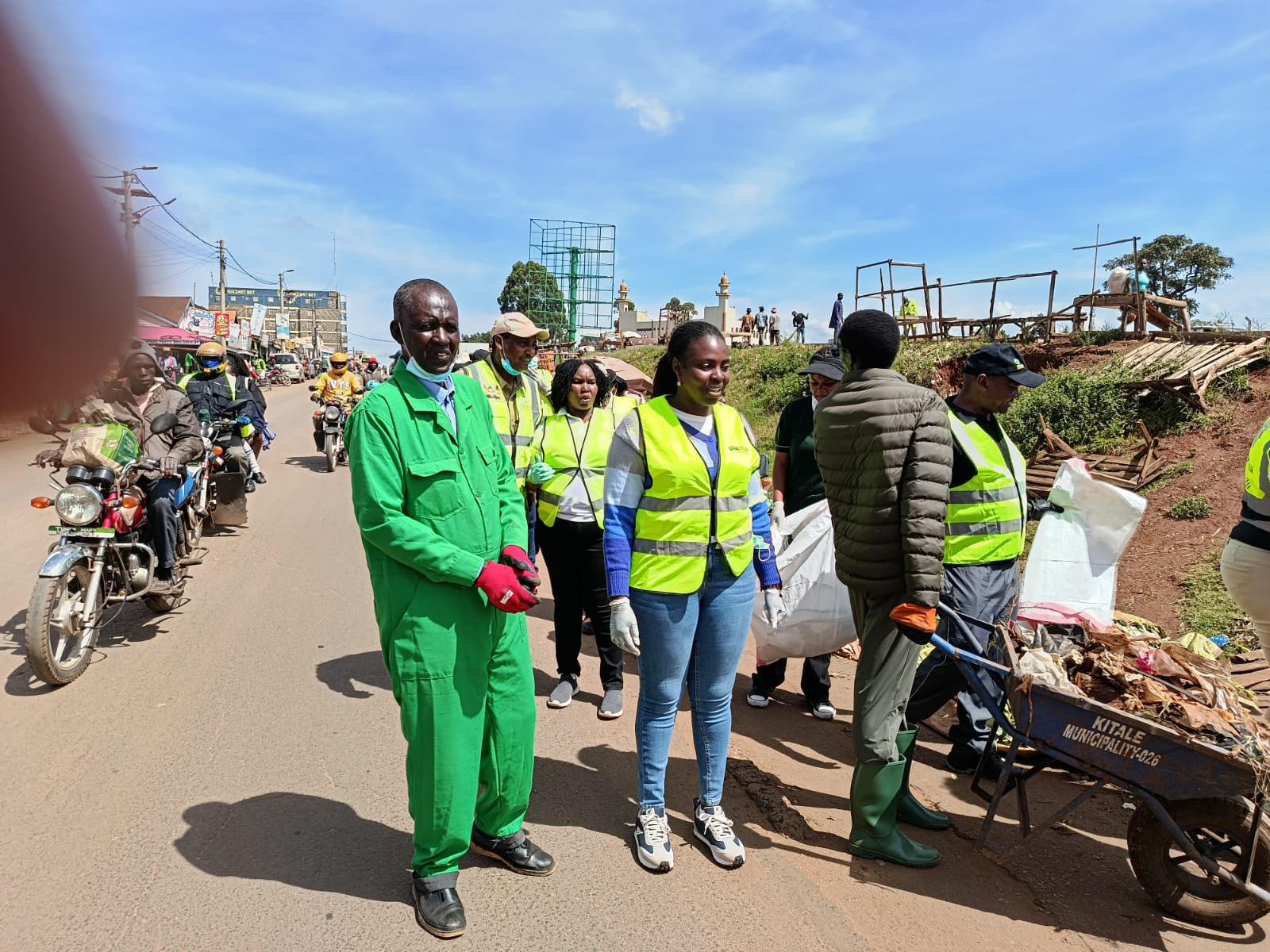
Then everyone went to work. Ordinary residents worked next to government officials, filling bags and carrying them through town.
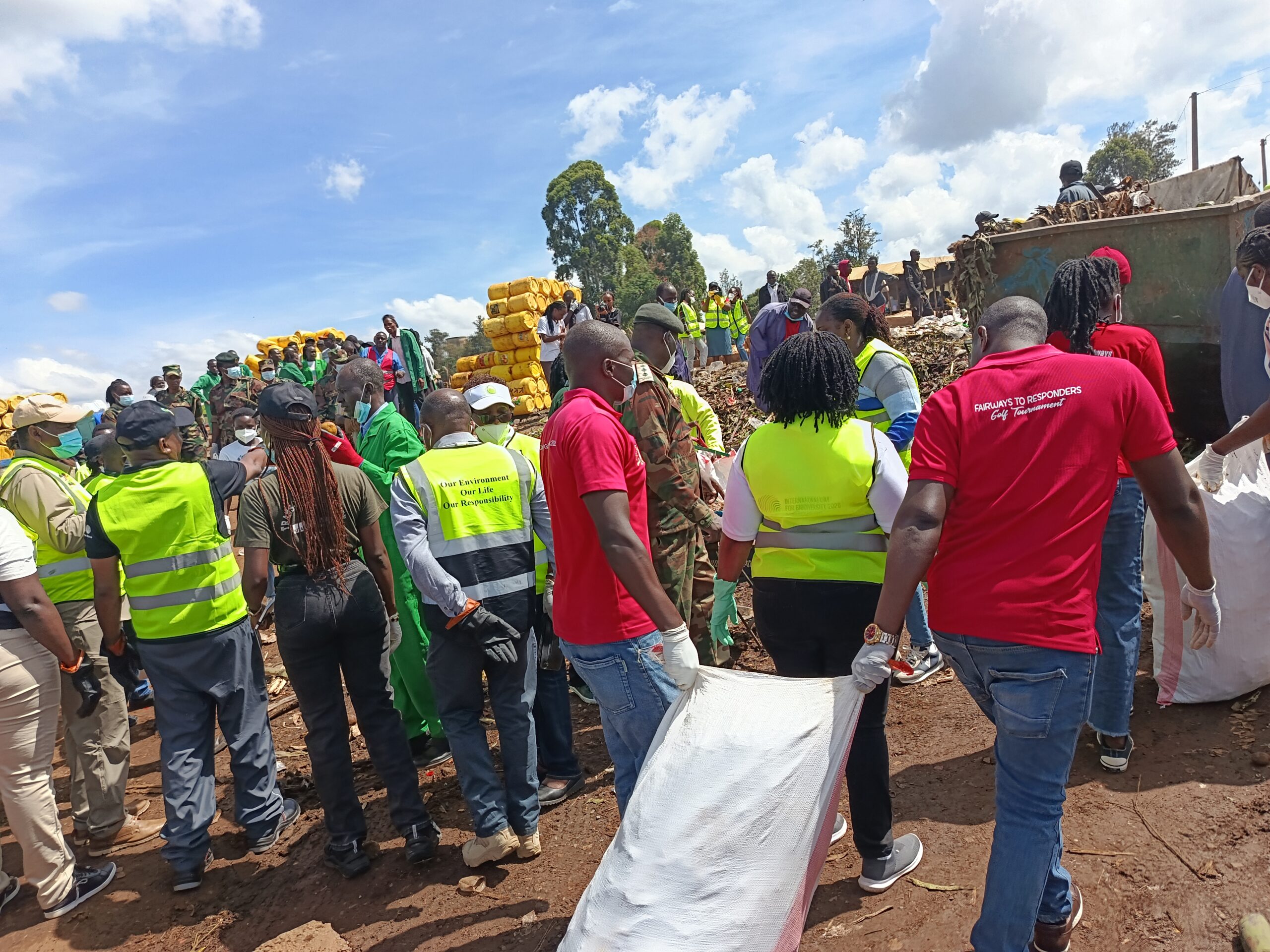
We used wheelbarrows to move the swept waste to the collection point. I walked the ground behind them to check what we had missed.
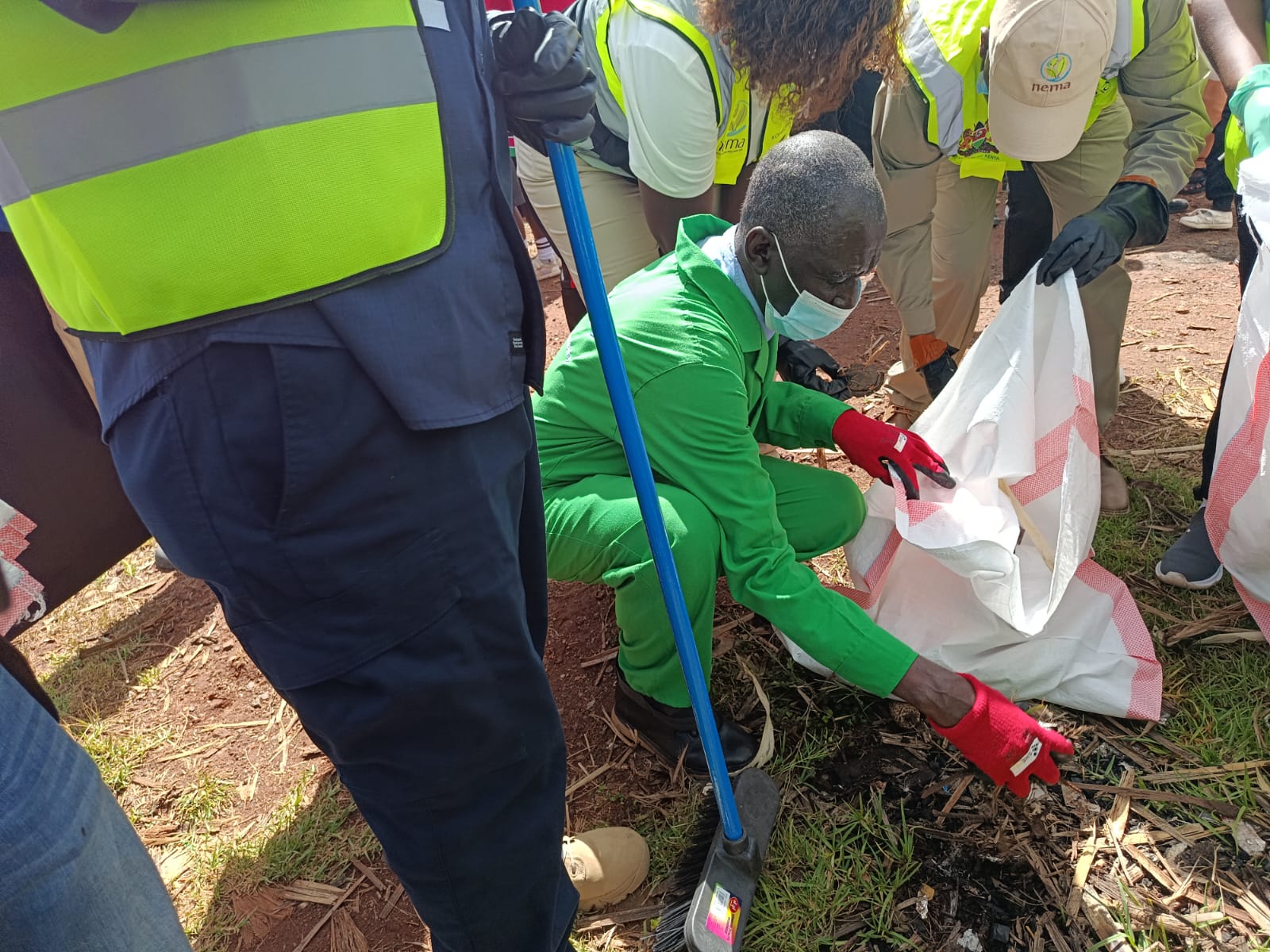
On Raini Moja Street we kept collecting. I got down and filled bags myself. You cannot ask people to pick up rubbish if you will not touch it yourself.
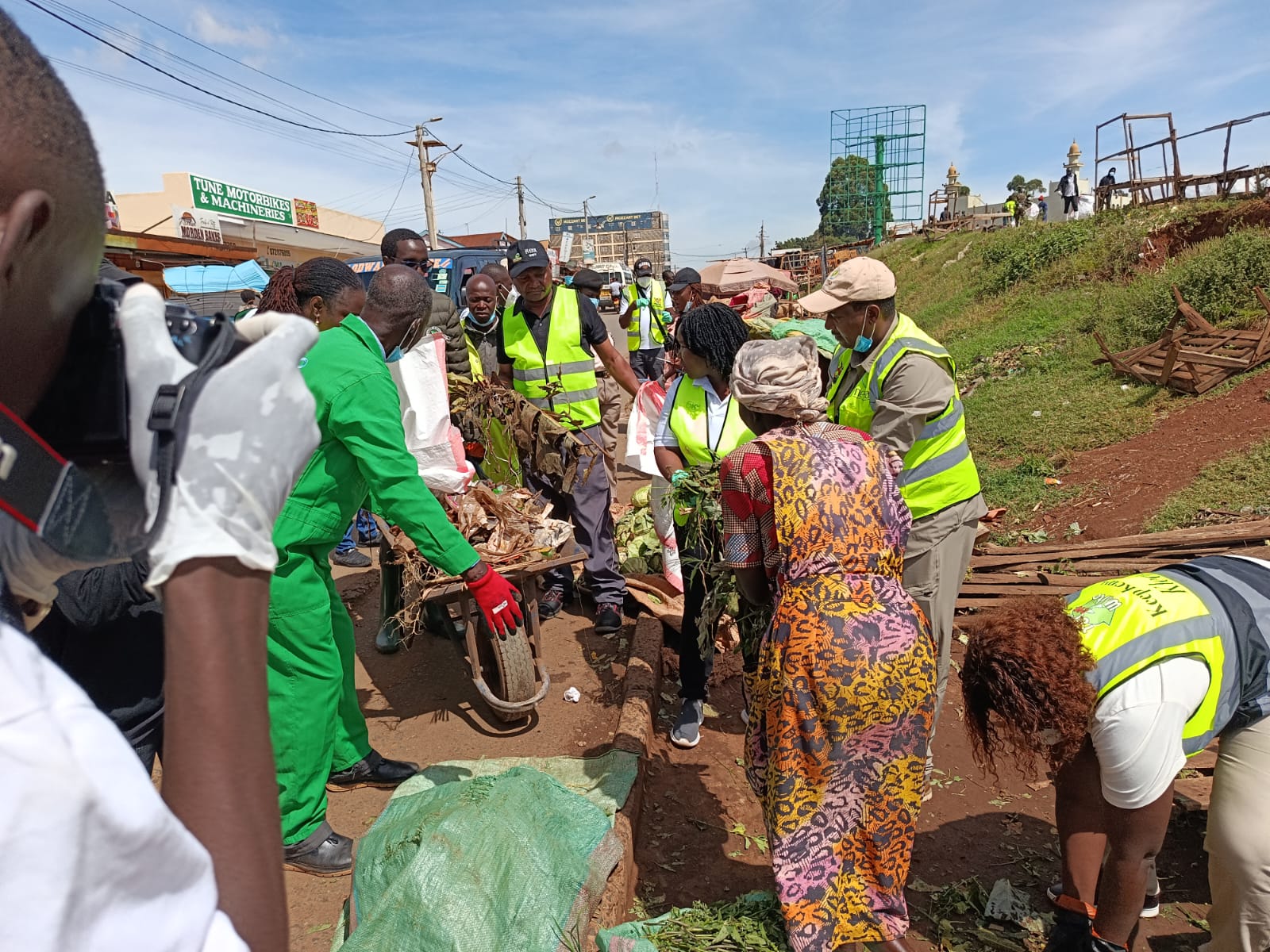
We stopped at a woman’s grocery stall. The volunteers talked with her about working in a clean place, for her own health and for her customers. We took away the waste she had collected. She was very happy.
The hardest places were the illegal dumping grounds. We walked to them carrying empty bags, filled them, and took the waste to the proper disposal site.
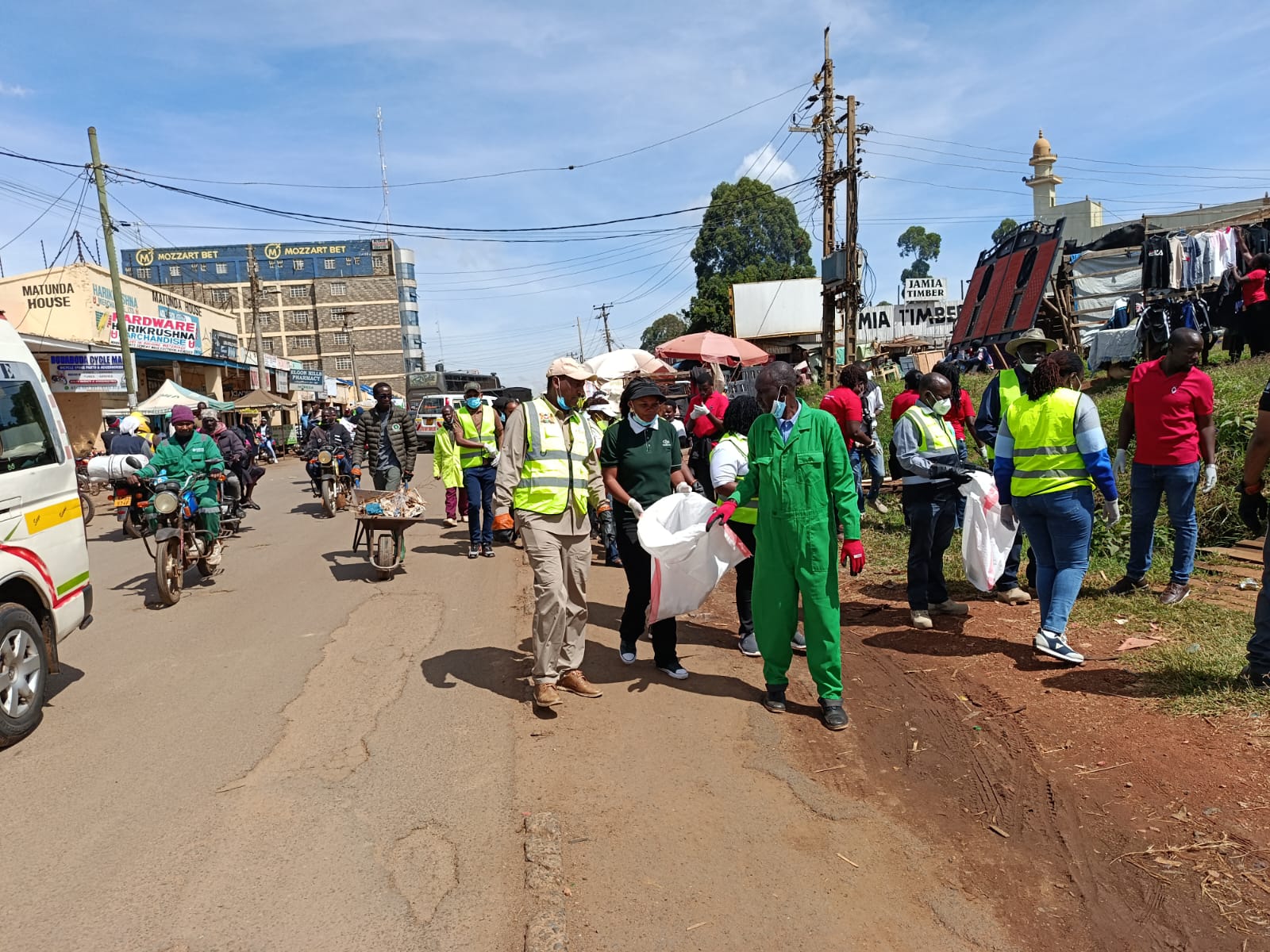
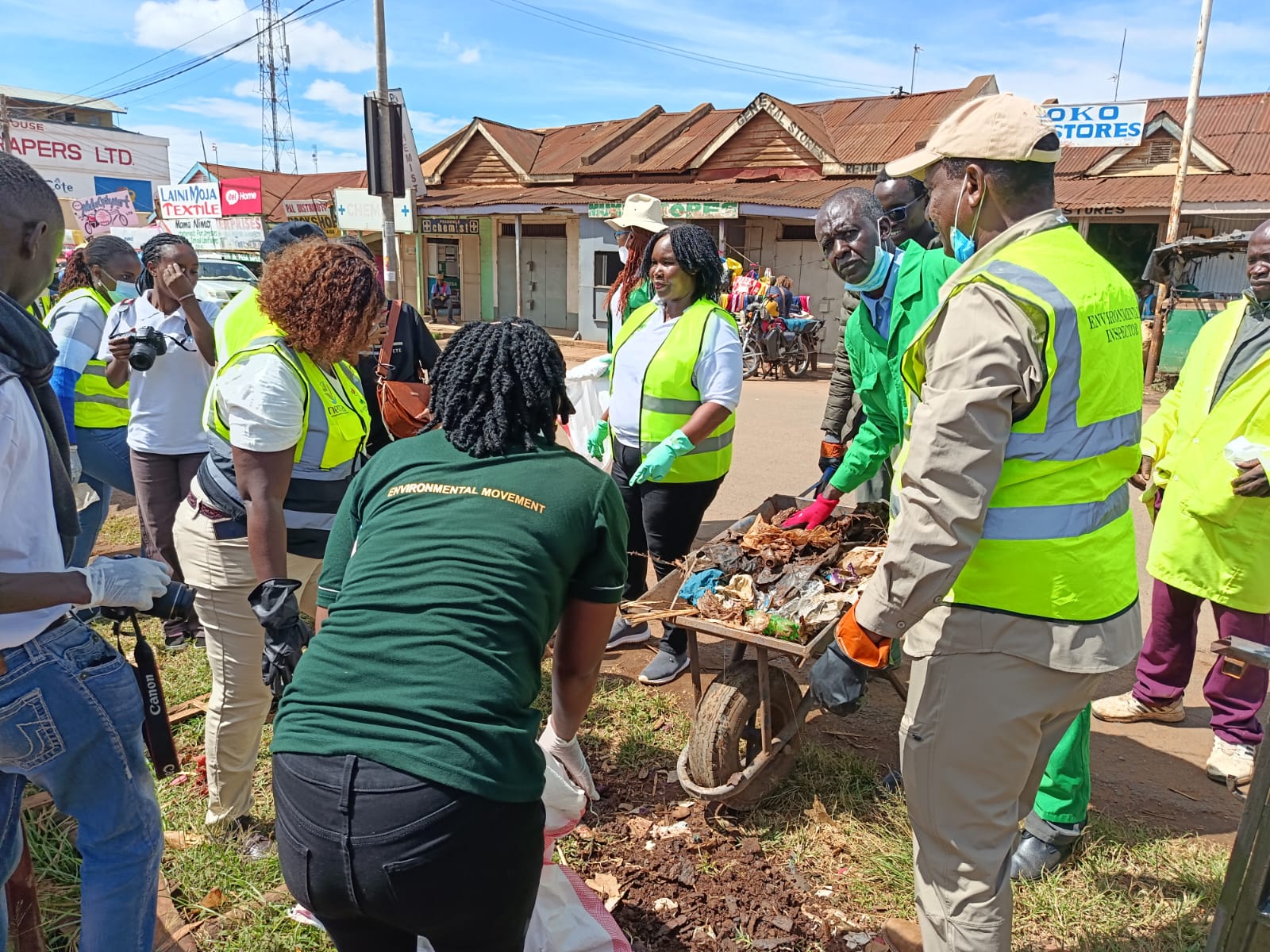
After many hours, the streets we covered were clean. The team was well organized and they did good work.
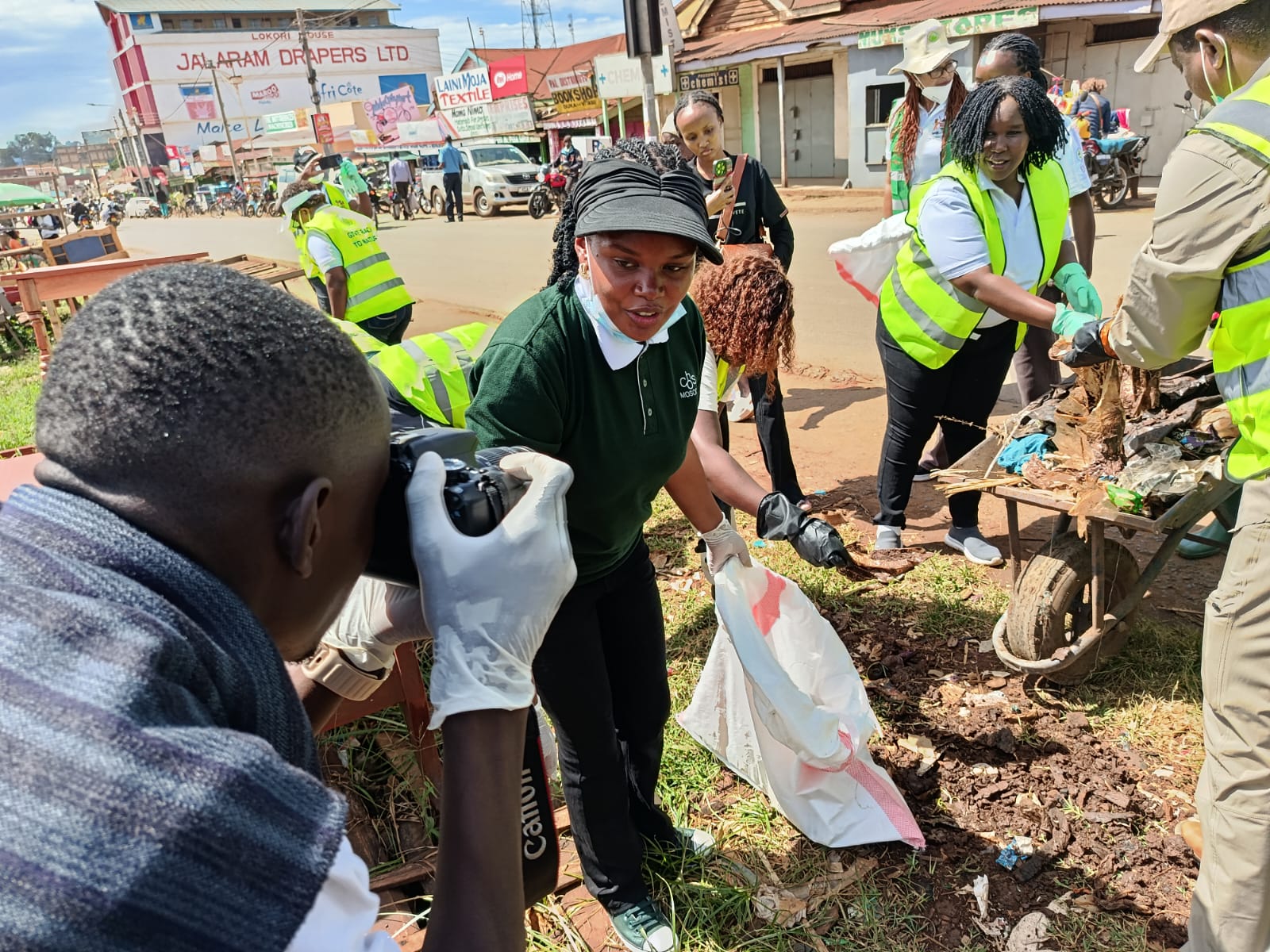
What a clean-up does not fix
There is one more photo I want you to see.
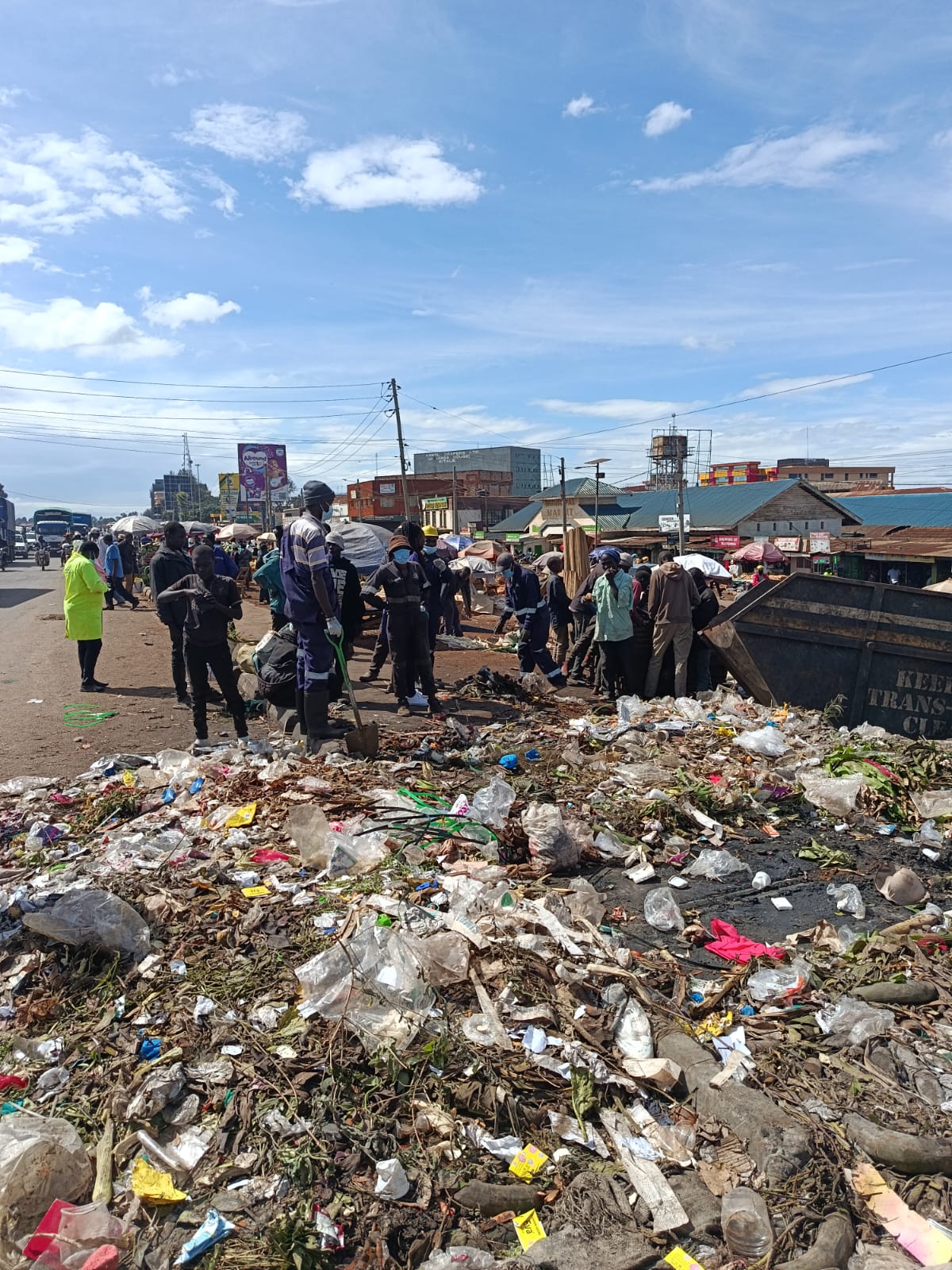
This is the collection point at the Kitale municipal market. Street families stay around it, waiting for the vendors to throw away food they can still eat. A clean-up day does not change that. Tomorrow the vendors will throw away food again, and the families will be there again.
When I teach composting, I talk about market waste as a resource. Standing at this place, I can see that for some people it already is one, in the hardest way. I don’t have a neat answer for that yet.
About the Author
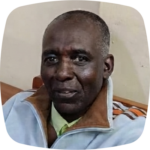
Muguro David Ngige is a Certified Zero Waste Associate with Dajopen Waste Management Solutions in Kenya. He works on recovering urban waste for recycling and composting biodegradable waste into organic fertilizer. He also teaches communities how to turn that waste into a small business.