The Composting Revolution Smells Like Progress
Forget everything you thought you knew about boring waste management—composting is having a serious moment right now. From record-breaking municipal programs to cutting-edge tech making organic waste disappear like magic, the humble compost pile has gone mainstream.
NYC Just Flexed Its Green Muscles
Big Apple, big ambitions. New York City just hit a wild milestone: over 6 million pounds of food scraps and yard waste collected in a single week. That’s roughly the weight of 600 elephants’ worth of banana peels, coffee grounds, and grass clippings that didn’t end up rotting in a landfill.
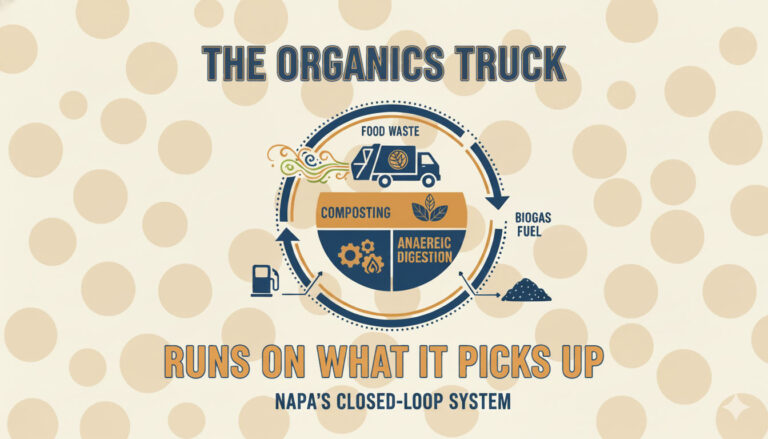
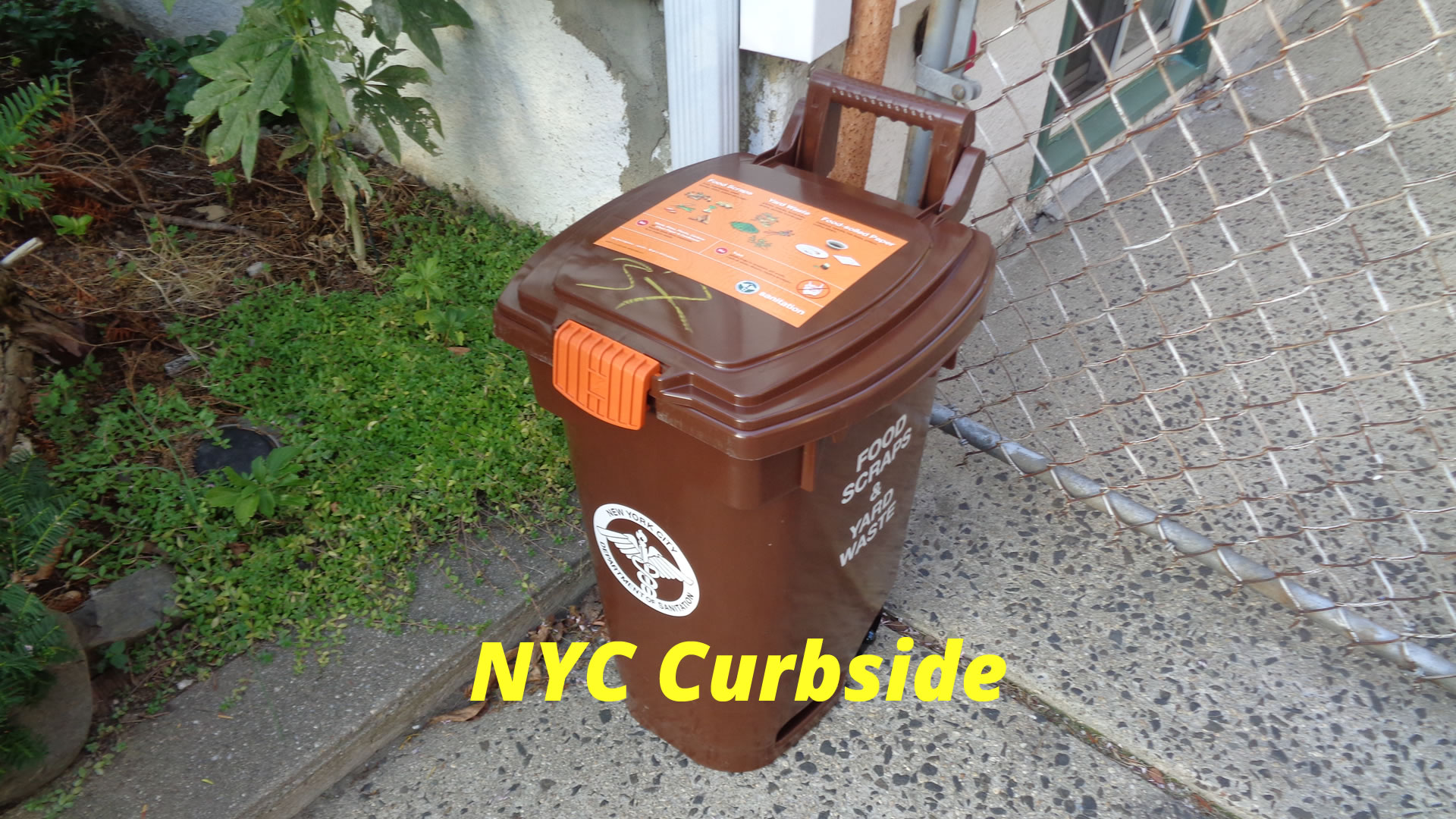
The best part? They’ve kept it simple. Residents can request a free brown bin from the city or use any lidded bin (55 gallons or less) with a compost label. Toss in your food scraps, yard waste, and food-soiled paper, and set it out on recycling day. The end result? Free compost for parks and gardens, plus renewable energy keeping homes warm. It’s the circle of life, urban edition.
Other Cities Are Racing to Catch Up
NYC isn’t the only player in town. Detroit and Boise are rolling out their own programs, getting household bins into residents’ hands and setting ambitious goals to keep food waste out of landfills. Turns out, when you make composting accessible, people actually do it. Who knew?
The Private Sector Is All In
Remember our webinar with Compost Crew in 2024? Here’s the follow-up data showing their capacity building progress for 2024. While cities are building infrastructure, private companies are scaling up fast too. Compost Crew in the D.C. area has seen customer numbers explode to over 20,000, processing 30% more food scraps than year 2023. It’s proof that when convenience meets conscience, everyone wins.
Serious Legislation
In 2016, California passed SB 1383, requiring mandatory organic waste reduction statewide. Following California’s lead, New York City isn’t just asking nicely anymore. New composting laws now require buildings to separate organic waste from trash—or face penalties. The program is designed to be simple: free bins, weekly pickup, accept everything. But NYC isn’t leaving compliance to goodwill alone.
And in Delaware, lawmakers approved human composting as a burial option. Yes, you read that right. The future of sustainability is… everywhere.
Tech is Making It Smarter
Universities like Georgia Tech are installing industrial-scale composting machines that process organic waste faster and more efficiently than traditional methods. Meanwhile, research from the US Composting Council shows the industry is sequestering hundreds of thousands of tons of CO₂ annually. That’s not just reducing waste—it’s actively fighting climate change.
The Bottom Line
Composting isn’t just about feel-good environmentalism anymore. It’s becoming infrastructure, policy, and big business. Compost policies are becoming both accessible and enforceable. Cities are competing on tonnage, companies are innovating on convenience, and the environmental impact is measurable and meaningful.
So the next time you toss that apple core in the compost bin instead of the trash? You’re part of something bigger. And it’s actually working.
Photo Credit: Tdorante10