The Dragon Lurking Beneath Our Waste
In the depths of our landfills, a slumbering dragon lies poised to waken. It’s not a mythical creature, but a stark reality that demands our attention: methane, a potent greenhouse gas 28 times more devastating than carbon dioxide [1], seeps out of landfills, fueling climate chaos. The culprit? Compostable organics – food waste, yard trimmings, and paper products – that should be diverted, not buried. These discarded remnants of our daily lives are transformed into a toxic legacy, threatening the very foundations of our planet.
The Anatomy of a Landfill
Landfills often contain layers of plastic, metal, glass, textiles, electronics, and construction debris. Unfortunately, the bulk of what goes into landfills is compostable organic matter – food waste, yard trimmings, and paper products. These organic materials decompose anaerobically, producing methane as a byproduct. This potent greenhouse gas can be mapped with precision, using aerial surveillance or satellite technology to track its emissions.
In fact, recent advances in remote sensing and detection methods [2] have enabled the identification of methane hotspots and emission sources with increasing accuracy. Landfills are responsible for approximately 20% of total global methane emissions [3]. The consequences of these discoveries are far-reaching and devastating. Methane’s potent warming potential accelerates climate change, melting glaciers, and disrupting ecosystems. As temperatures rise, so do the economic burdens: from ravaged agriculture to devastated coastal cities, the toll is staggering.
Unsettling Consequences
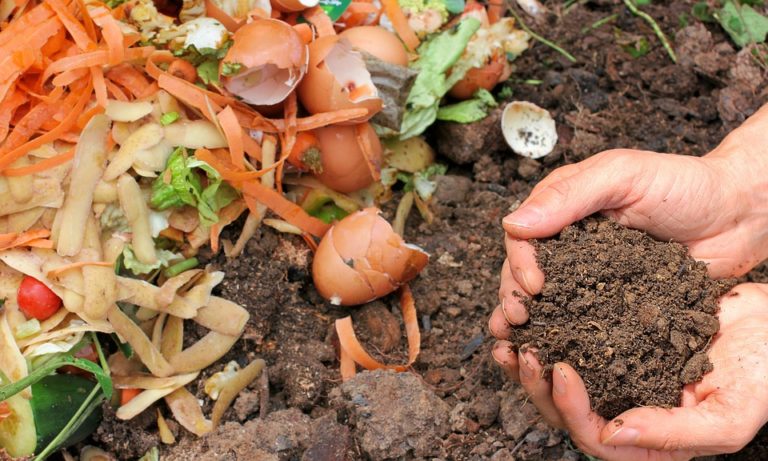
As we continue to pour compostable organics into landfills, a cascade of unfortunate events erupts. Landfills fill up more quickly because we fail to divert these organic materials. Logically, these resources could become nutrient-rich soil enrichment rather than being squandered in landfills, polluting our air and taking up valuable space.
A Glimmer of Hope
Yet, though the dragon is about to waken, single hero beckons: Federal legislation for organics diversion. By adopting a nationwide effort to actually use these resources falsely pigeon-holed as waste, we can mitigate climate change by reducing methane emissions and buying time for the planet. This approach would revolutionize waste management, transforming about half our “waste” into useful resources that foster sustainable systems and a circular economy. Moreover, reclaimed landfill space could signify an important step on our journey to eliminating landfills altogether on our journey to a fully sustainable system.
The Time for Action is Now
Our choice is clear: We can make friends with this dragon. Let’s divert compostable organics from landfills. By doing so, we can reclaim a sustainable future, where waste becomes a valuable resource and methane emissions plummet. The time for collective action is now. Let us rise to the challenge, embracing a nationwide effort to transform waste management and mitigate climate chaos.
A song about Compostable Organics Diversion:
- [1] IPCC (2013). Climate Change 2013: The Physical Science Basis.
- [2] NASA Sensors to Help Detect Methane Emitted by Landfills, Dec 15, 2022, Nasa.gov
- [3] United States Environmental Protection Agency (EPA), 2020: “Global Methane Initiative: A Strategy to Reduce Methane Emissions from Landfills”
- [4] https://www.compostingcouncil.org/page/StateRegulations
https://ilsr.org/articles/proposed-federal-compost-act/